
It might seem that writing a book is a simple task. However, upon closer inspection, it turns out that... not necessarily. What should you know or consider when writing a book?
1. Idea
The first issue is... the idea! Yes, success depends on it. But where do you get it for a publication? Think about your interests, what makes you talk about something for hours without getting bored? If you have an unusual, rare hobby, there's a chance it will be easier for you to start. Perhaps you are an expert in a particular field, have extensive knowledge on a subject, and want to share it with others? This also makes the work on the book easier.
If you don't have a surprising hobby or aren't an expert in your field but have an idea for a book, don't worry! You can still become an author! Of course, no one can guarantee the success of your work, but... is it worth giving up on your dreams? After all, no one became a master on their first try. You will find 9 more tips in this post that will help you become an author. Let's get started!
2. Market Research
Whether you have a hobby you want to share, are an expert in a particular field, or just have an idea at this point, at the very beginning of your journey to writing a book, do some market research. Simply put, check what books related to your idea are available for customers in bookshops.
It's worth checking if such a book has already been published. If so, don't get discouraged and give up on your idea. A good step is to see how the other author executed their idea, what they prepared, what they wrote, and how they did it. Maybe you have a different perspective or something the other person lacked, and you have that knowledge? At this point, consider checking the success of the already published work:
- How well did it sell?
- Was it attractive to readers?
On the other hand, if no one has published a book on the topic you're thinking about, then – the way is clear, you're a pioneer!

3. Addressee
The third issue to consider is, who is your book intended for? To achieve success, you need to define your target readership. This will determine the next steps in writing your book. Writing for young children, school-aged kids, teenagers, adults, specialists, or any other audience requires different approaches. Your audience is a specific person to whom you are directing your words. Their age, skills, and the topic you address will influence the style and arguments you use. It's helpful to imagine your reader:
- Who are they?
- How old are they?
- What is their gender?
- What is their education level?
- What is their profession?
- What do they do daily?
- What are their goals, dreams, desires, ambitions?
- What problems do they face?
- What are they afraid of?
- How can you help them?
4. Book plan
Once you have imagined your reader, create a plan for your book. What topics do you want to include? In what order? Which chapters should be connected? Start by outlining what you want to write into smaller titles and subtitles. Then, expand all your knowledge into sentences. Speaking of sentences…
5. Style
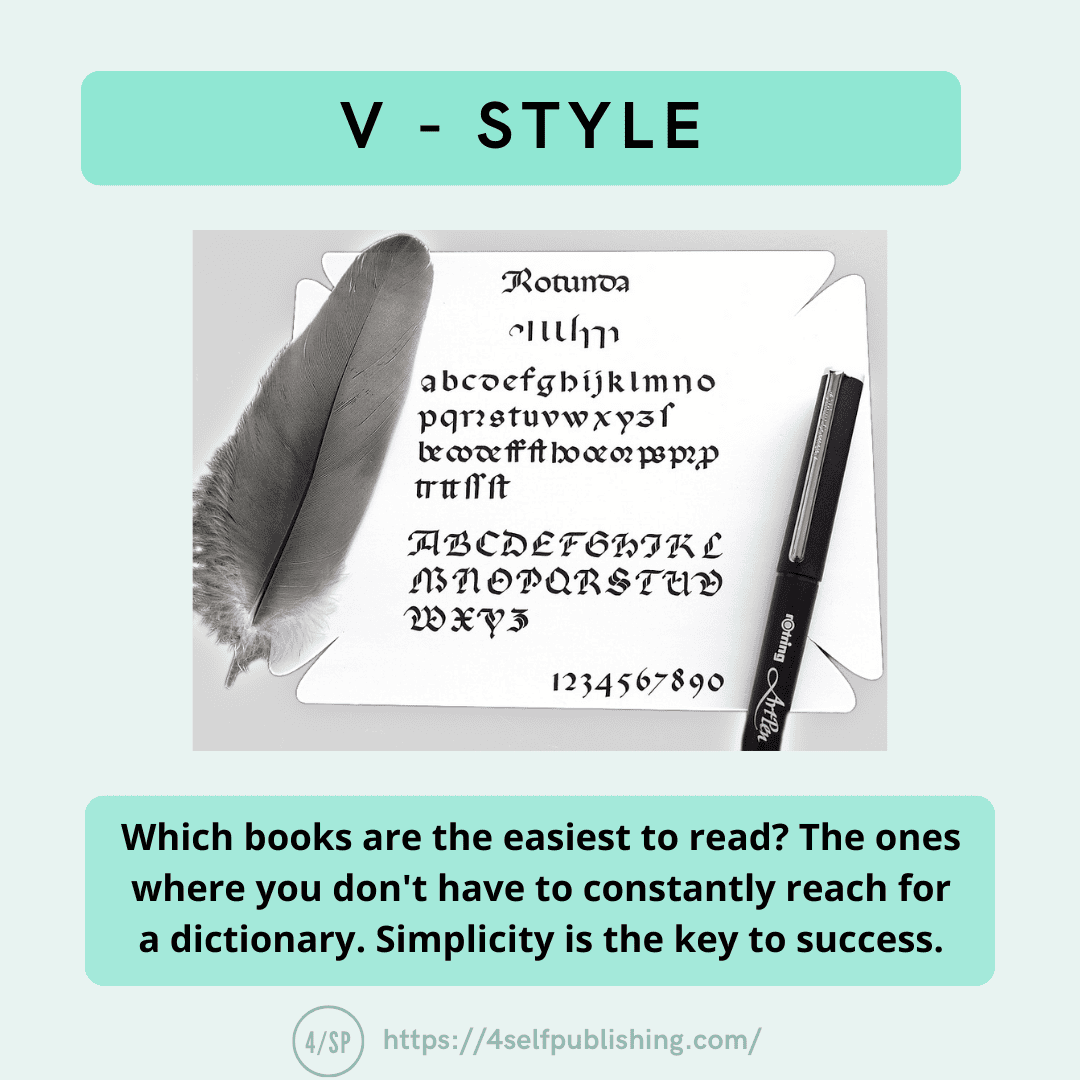
Use short, simple sentences: those that are not complex. Avoid passive voice and sentences that contain the negating particle "not." Regardless of the topic and audience, use simple words that everyone understands. If you need to use more complex words, explain them. What is obvious to you may not be to your reader. Readers appreciate texts they can understand. Put yourself in your reader's shoes! Avoid repetitions (unless they are necessary or you are writing a poem).
6. Paragraphs and content
Each paragraph should have a title that reflects its content. Texts are easier to read when they have 4 to 6 paragraphs. There may be situations where your paragraph is longer, and that's fine too. However, it's important to diversify the text (with graphics, charts, photos, etc.).
7. Specifics
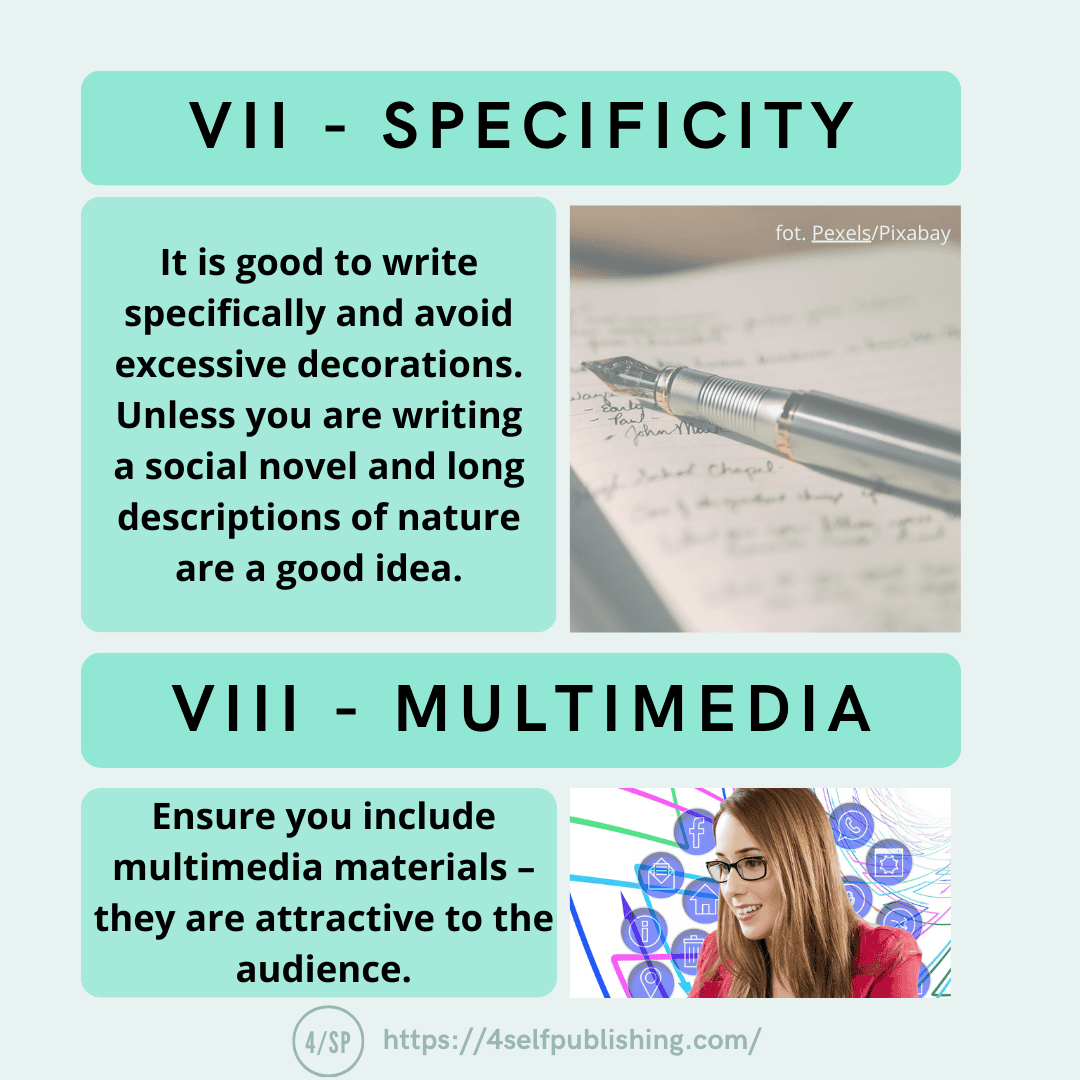
Make sure your text is specific. Each paragraph should contain one main idea. The more concisely you do this, the better. Unless you're writing a book about observing nature and you describe how "by the edge of the blue lake, a teal duck painstakingly built its nest, twig by twig." In that case, long descriptions can be good; some people enjoy detailed descriptions of nature.
8. Multimedia Materials
Prepare multimedia materials. It's best to do this while writing your book—you know what you're writing about at any given moment and what can best visualize your ideas. You can use photos, graphics, and infographics. You can create them yourself or ask a graphic designer to illustrate your thoughts. However, remember to describe the drawing you need precisely. The artist might interpret your idea differently. Photos can be your own or purchased from one of the many photo agencies.
9. Enumerations, lists, points
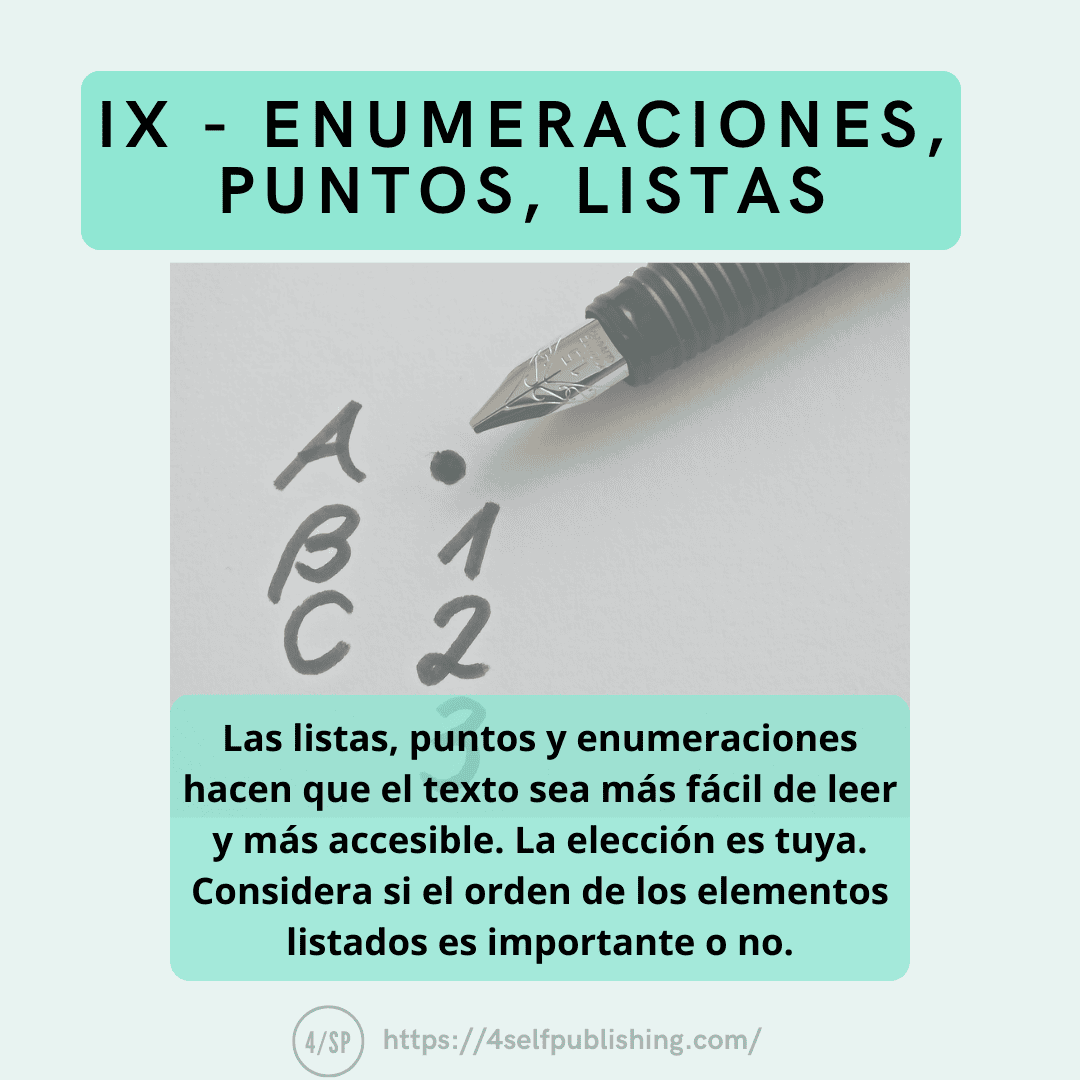
Use enumerations, lists, and bullet points. They capture the reader's attention and diversify the text. If you need the reader to know what to do step-by-step, use enumerations. If the order of things isn't important, use bullet points such as:
- dashes;
- "ticks";
- flowers;
- or other list markers.
You can invent them yourself, use ready-made patterns, or ask a graphic designer to prepare some. If your list is too long (more than 8-9 items), break it down into smaller lists.
10. Intrigue
Intrigue your readers. People enjoy reading interesting texts with a "hook". They like feeling that they have learned something, that your text has met their needs for:
- expanding knowledge;
- better understanding a topic;
- satisfying curiosity;
- relaxing.
After writing the entire book, read your text two, even five times, ideally with a few days' interval between readings. This will help you catch unfinished thoughts and sentences. Once you've done all this, it's time to think about how to publish your text as a book. But more about that in the next article…